5 Essential Tips for Starting Leatherworking
Leatherworking is a rewarding craft that allows you to create beautiful, long-lasting products with your own hands. Whether you dream of making dog collars, belts, wallets, bags, or gifts for family and friends, getting started can feel overwhelming. The good news is that you don’t need an expensive workshop or years of experience to begin.
Here are five essential tips to help you start your leatherworking journey with confidence.
1. Start With Simple Projects
One of the biggest mistakes beginners make is choosing a complicated project for their first attempt. Large bags and intricate saddlery projects may look impressive, but they often require advanced skills and specialised tools.
Instead, begin with simple projects such as:
- Keyrings
- Card holders
- Dog collars
- Belts
- Coasters
These projects teach the fundamental skills of measuring, cutting, punching holes, edge finishing, and stitching without becoming overwhelming. Every project you complete builds confidence and improves your technique.
2. Buy Quality Basic Tools
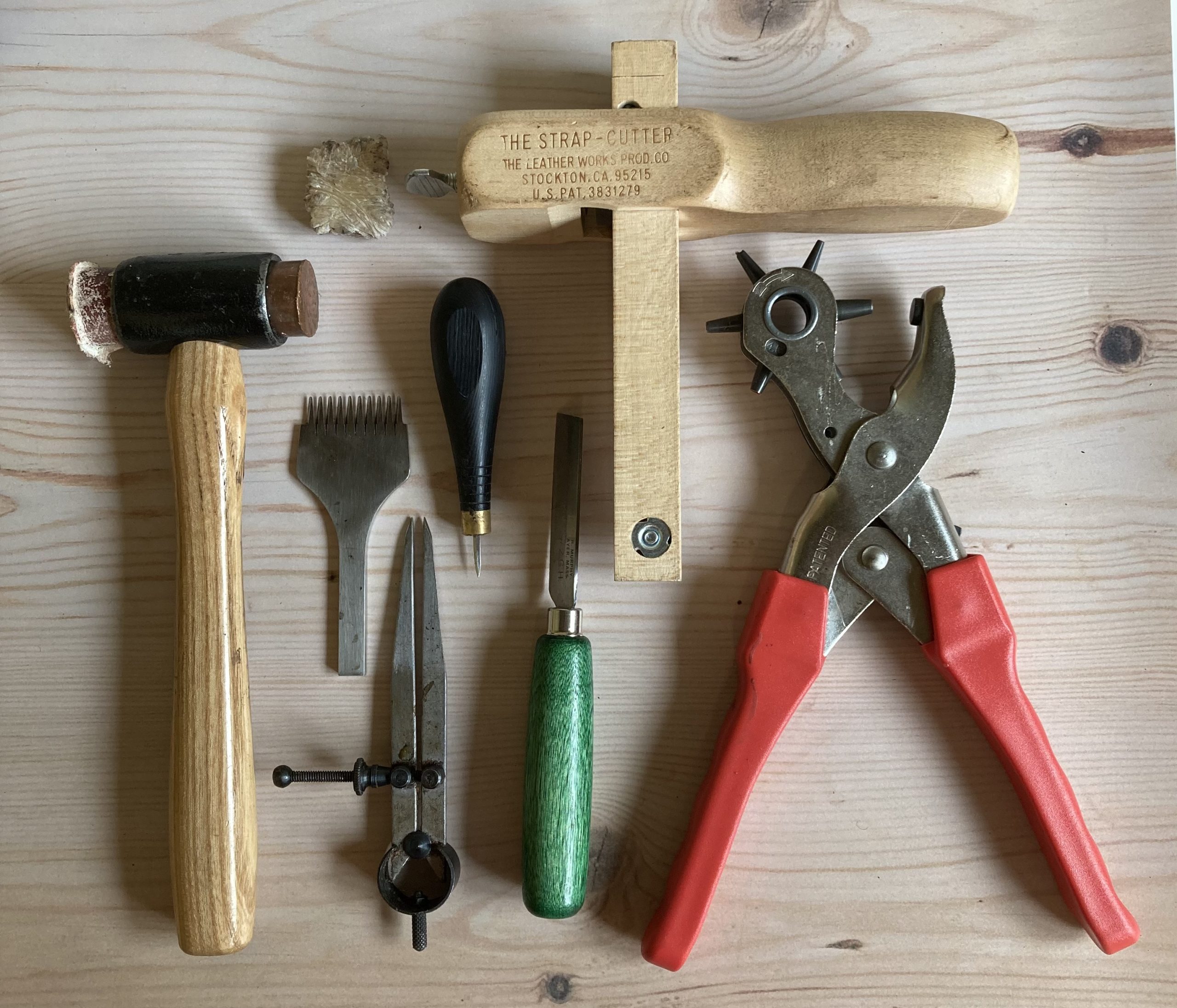
You don’t need a workshop full of expensive equipment to get started. A small collection of quality hand tools will take you a long way. This tool list is clickable so you can buy your tools here
Consider investing in:
- A sharp craft knife or leather knife
- Steel ruler
- Stitching chisels
- Needles
- Waxed thread
- Edge beveler
- Cutting mat
- Mallet
- Awl
Quality tools are easier to use, safer, and often last for many years. It’s better to buy a few good tools than a large collection of cheap tools that may not perform well.
3. Learn Saddle Stitching Early
Saddle stitching is one of the most important skills in leatherworking. Unlike machine stitching, saddle stitching uses two needles and creates a strong seam that can withstand years of use.
Benefits of saddle stitching include:
- Exceptional durability
- Professional appearance
- Easy repairability
- No need for an expensive sewing machine
Spend time practising on scrap leather before starting your first project. Once you master saddle stitching, you’ll be able to create a wide variety of leather goods.
4. Practice on Affordable Leather
Premium leather can be expensive, and mistakes are part of learning any new craft. Start by practising on more affordable vegetable-tanned leather rather than using expensive hides straight away.
Use your practice pieces to:
- Test stitching techniques
- Learn edge finishing
- Experiment with dyes
- Improve cutting accuracy
- Practice setting rivets and hardware
Every offcut becomes a learning opportunity. As your skills improve, you’ll waste less material and feel more confident working with higher-quality leather. Many leather wholesalers have offcuts for sale quite cheaply or Artisan Leather have small pieces of veg tan leather. I recommend choosing vegetable tanned leather for learning to saddle stitch.
5. Focus on Finishing Details
The difference between an average leather project and a professional-looking one often comes down to the finishing touches.
Pay attention to:
- Smooth, burnished edges
- Straight stitch lines
- Even hole spacing
- Clean cuts
- Properly set hardware
Products with neat finishing immediately look more professional and will stand out whether you’re making gifts, selling products, or creating items for yourself.
Final Thoughts
Leatherworking is a skill that improves with every project you make. Start small, invest in a few quality tools, learn the basics of saddle stitching, practise regularly, and focus on the details.
Remember that every experienced leatherworker was once a beginner. Don’t worry about perfection—focus on learning and enjoying the process. Before long, you’ll be creating beautiful leather goods that you can be proud of for years to come.
If you’re just getting started, choose a simple project, gather your tools, and make your first cut. The best way to learn leatherworking is by doing it. The best way to get started is to book a short course to make something simple, this will give you the confidence to get started with your own projects. Here at LG Leatherworks we offer a wallet making course which will give you the foundations you need.
Please note this blog post contains affiliate links, it won’t cost you any more to shop using them but I get paid a small commission